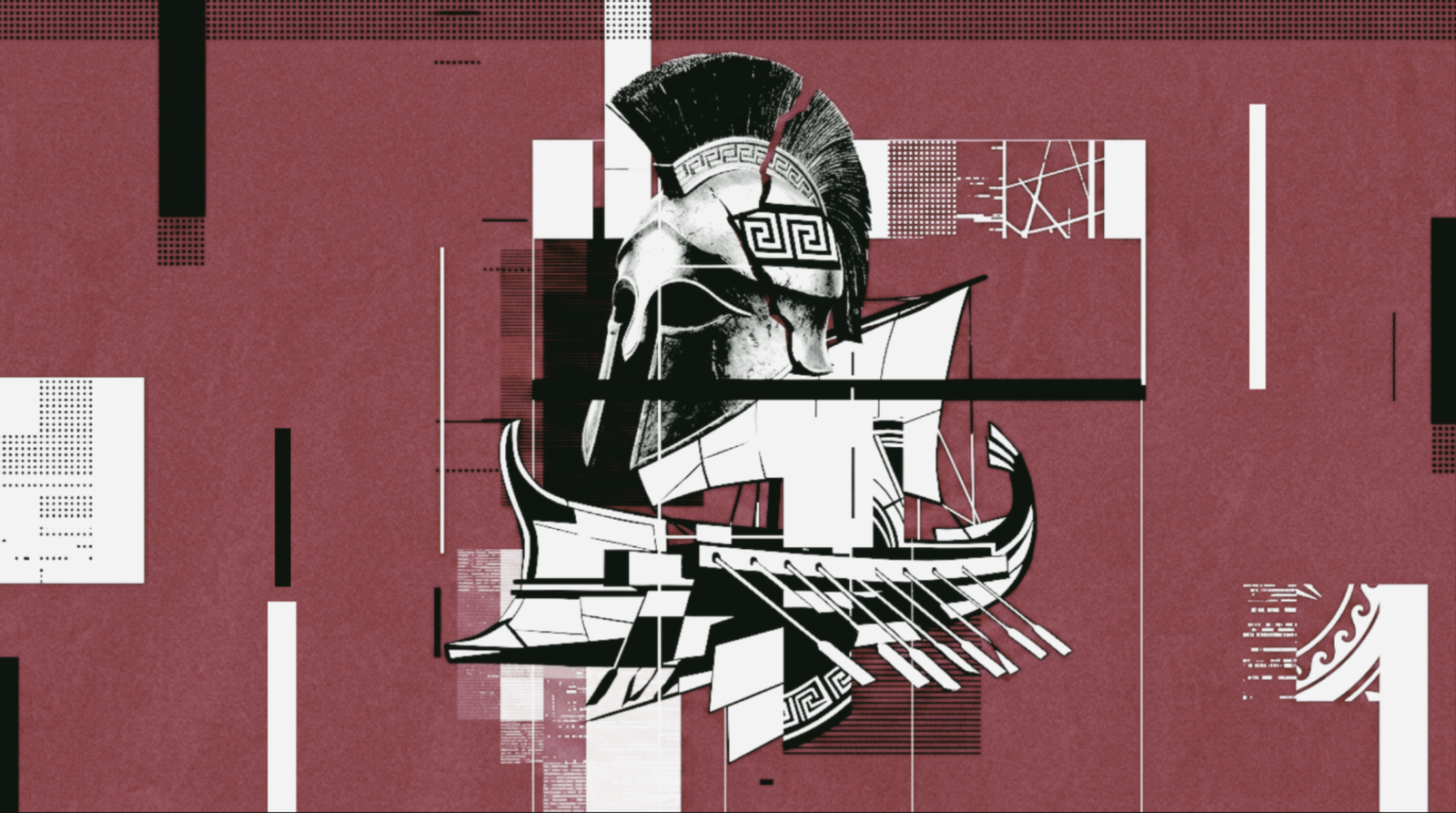
Before You Read The Odyssey, Read This First
Christopher Nolan's upcoming Odyssey has done something great... it's got people excited about Homeric epics again. But these books are genuinely hard to get through without context or a sense of which translation to grab. I read T.E. Lawrence's (yes... that Lawrence) and Lattimore's dactylic hexameter versions at university, and honestly, tough even for someone who wanted to read it. So if the movie's pulling you toward the book, here are a couple of things worth knowing first.
Before you open the Odyssey, try to get familiar with the concepts and vocabulary that shape the story (trust me on this one). Understanding guest friendship, or xenia, changes how you read everything. For example, Polyphemus's reaction to Odysseus, his fury at the suitors, even the whole journey home make a lot more sense when you consider the concept of xenia. Without that context you're just watching events happen. With it, you're reading a moral universe.
Then there's the translation question, which comes with real tradeoffs. Newer translations like Wilson's (2017) read beautifully and move fast, but take some liberties. Older ones like Lawrence's (1932) stay closer to the primary sources but ask more of the reader. Take the opening proem, where the poet calls on Mnemosyne for help reciting the story, for example. Older translations name Mnemosyne herself, the titan goddess of memory. Modern ones swap in "the Muse," which is likely her daughter Calliope. Small change on the page... but a real departure from the closest translations we have to the primest of primary sources.
Which is also tricky to say here because when it comes to primary sources, we only have closest ones. The original Odyssey was part of 8 parts in the Trojan epic cycle. Only 2 books, the Illiad and Odyssey, and bits of the Sacking of Troy survive. And of the surviving books, these are translations of translations of translations. Fun fact, if you were to walk into the Library of Alexandria before it collapsed, you would have likely found more than half of the contents within translations of Homers Epics, commentaries on them, etc. Truth be told, those commentaries are more of tragic loss than the books themselevs because they provided contempory insights on themes, lessons, etc. But going back further, Homers epics were an oral tradition, hence the appeal to Mnemosyne to help remember the poem. But I digress.
None of this means you need a classics degree to enjoy it (please don't let that scare you off). But a little prep goes a long way. Learn the concepts first, pick your translation with eyes open, and you'll get more out of the book than the plot alone. Homer's been rewarding patient readers for close to 2,800 years... no reason to stop now.